Patterns
Empowering Self-Management of Chronic Pain
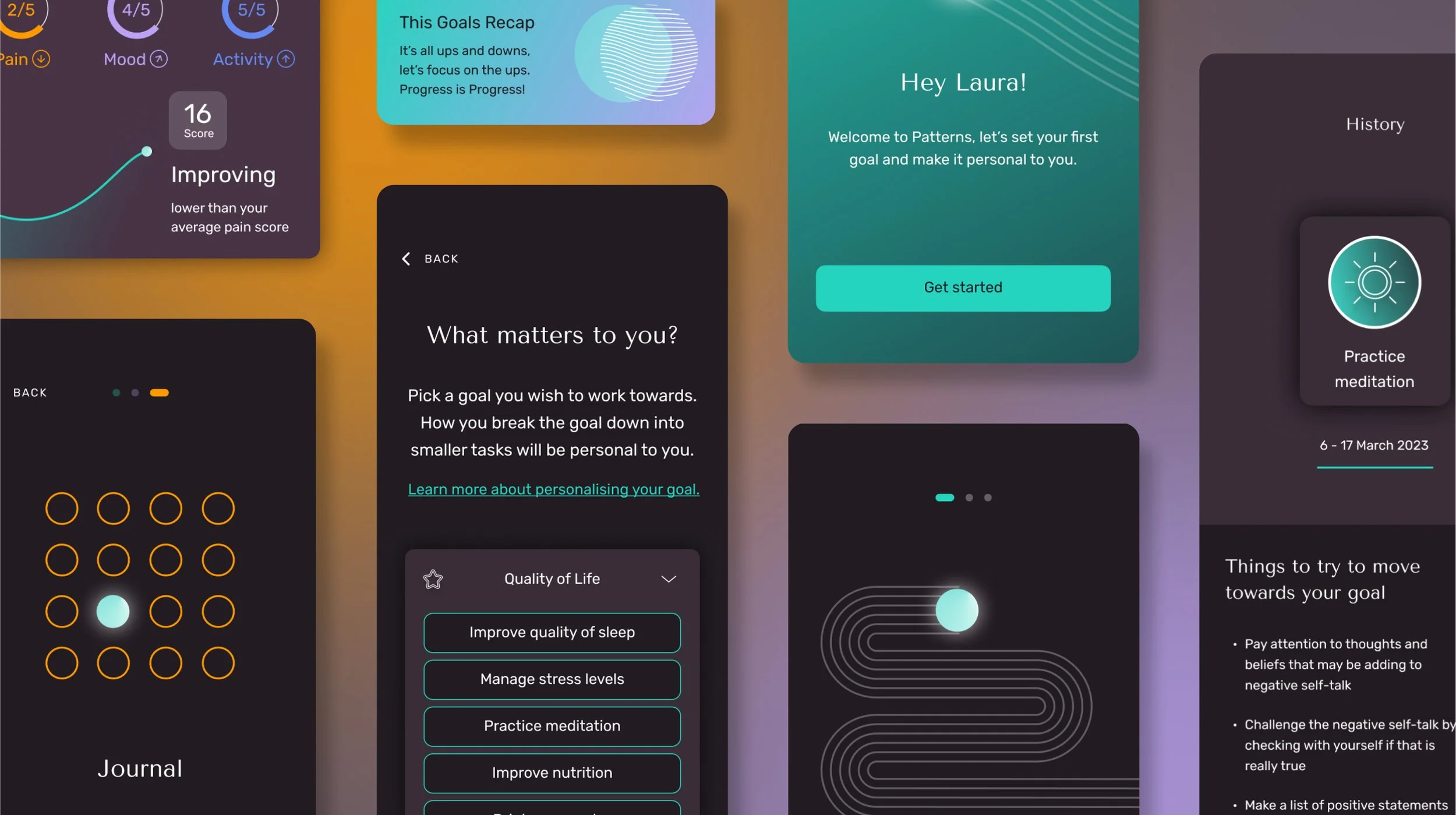
Patterns is a digital service and patient app designed to help users track and self-manage chronic pain. Developed in collaboration with the Public Health Agency (PHA), the app enables users to understand their pain triggers and behaviours by setting goals, tracking pain, and visualising patterns in their data. As an Interaction Designer, I shaped the user experience, ensuring it was intuitive and empathetic to chronic pain sufferers, validated through extensive testing.
Challenge
Chronic pain affects millions, with 10 million UK adults suffering and 1 in 3 in Ireland impacted, according to Versus Arthritis and the PRIME study. Many endure pain for over a decade and are three times more likely to be unemployed. Long waits for care and reliance on medication add further challenges. Our goal was to design a solution that helps users self-manage their pain, identify patterns, and set achievable goals to improve their quality of life.

Understanding the user
Our starting point was a deep understanding of the user base through co-design workshops with patients, pain consultants, physicians, and healthcare professionals. This approach helped us identify the unique pain management needs of our audience, particularly those with conditions like endometriosis, fibromyalgia, and arthritis.
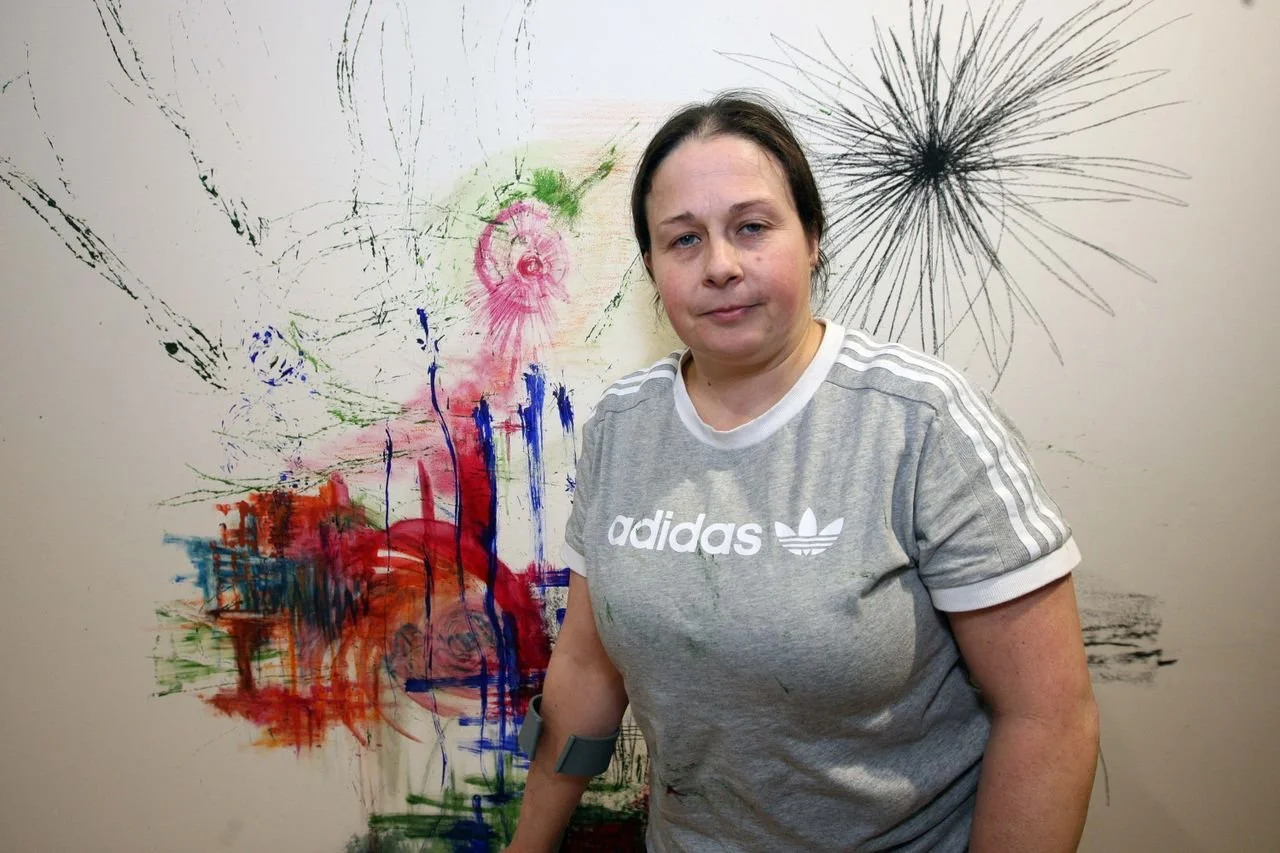
We collaborated with PhD researcher Niamh McConaghy, who organised the art exhibition The Visualisation of Pain at The University of Atypical. Featuring vibrant artwork from people with chronic pain, the exhibition informed our design process, inspiring how different levels of pain were visualised in the user interface.
Crafting the User Experience
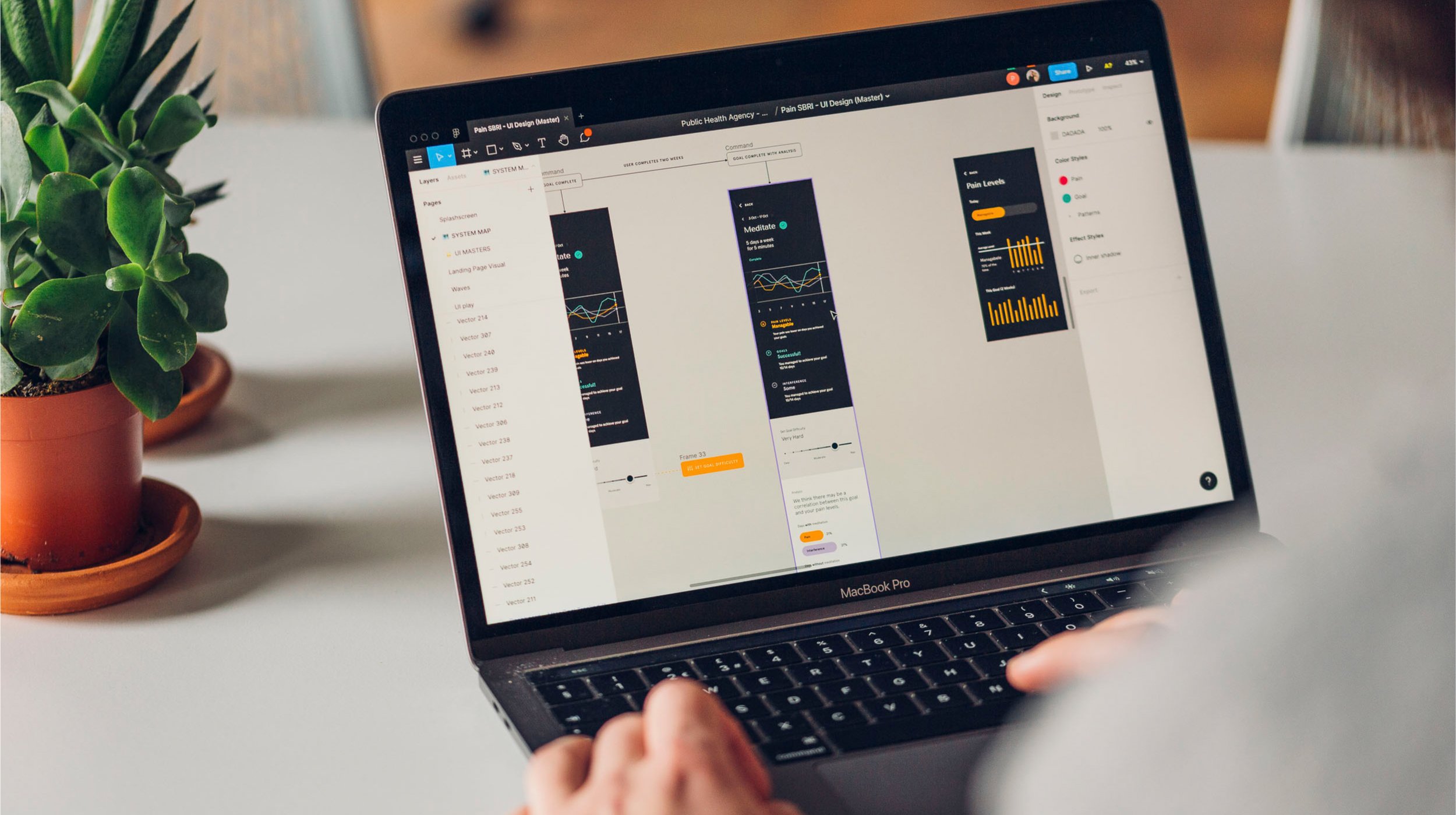
As Interaction Designer, my focus was on creating an accessible and supportive user experience:
Goal Setting and Tracking:
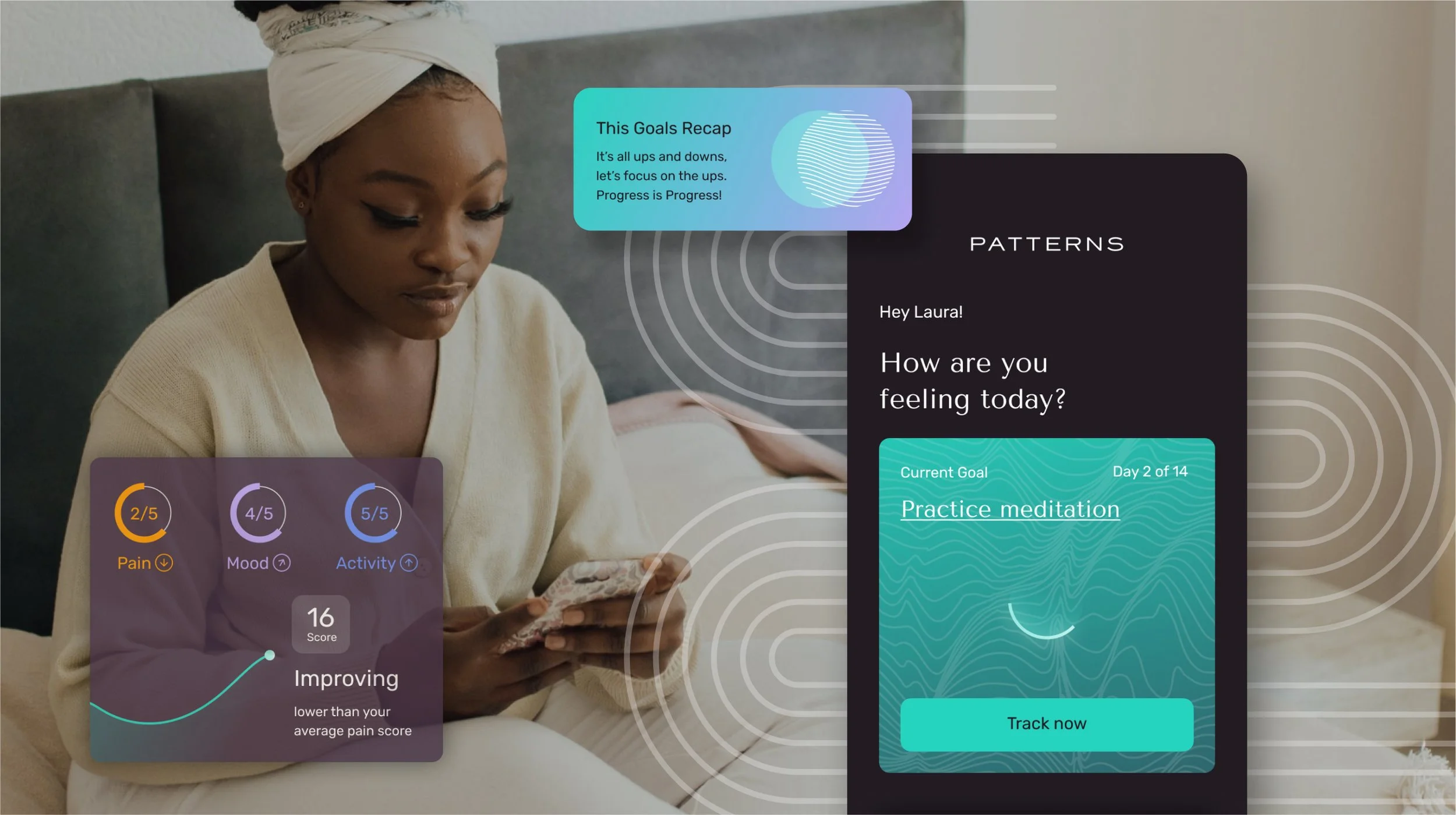
Users can set personalised goals and track their progress over time, with a simple interface for logging pain, mood, and activity.Visualising Pain Patterns:
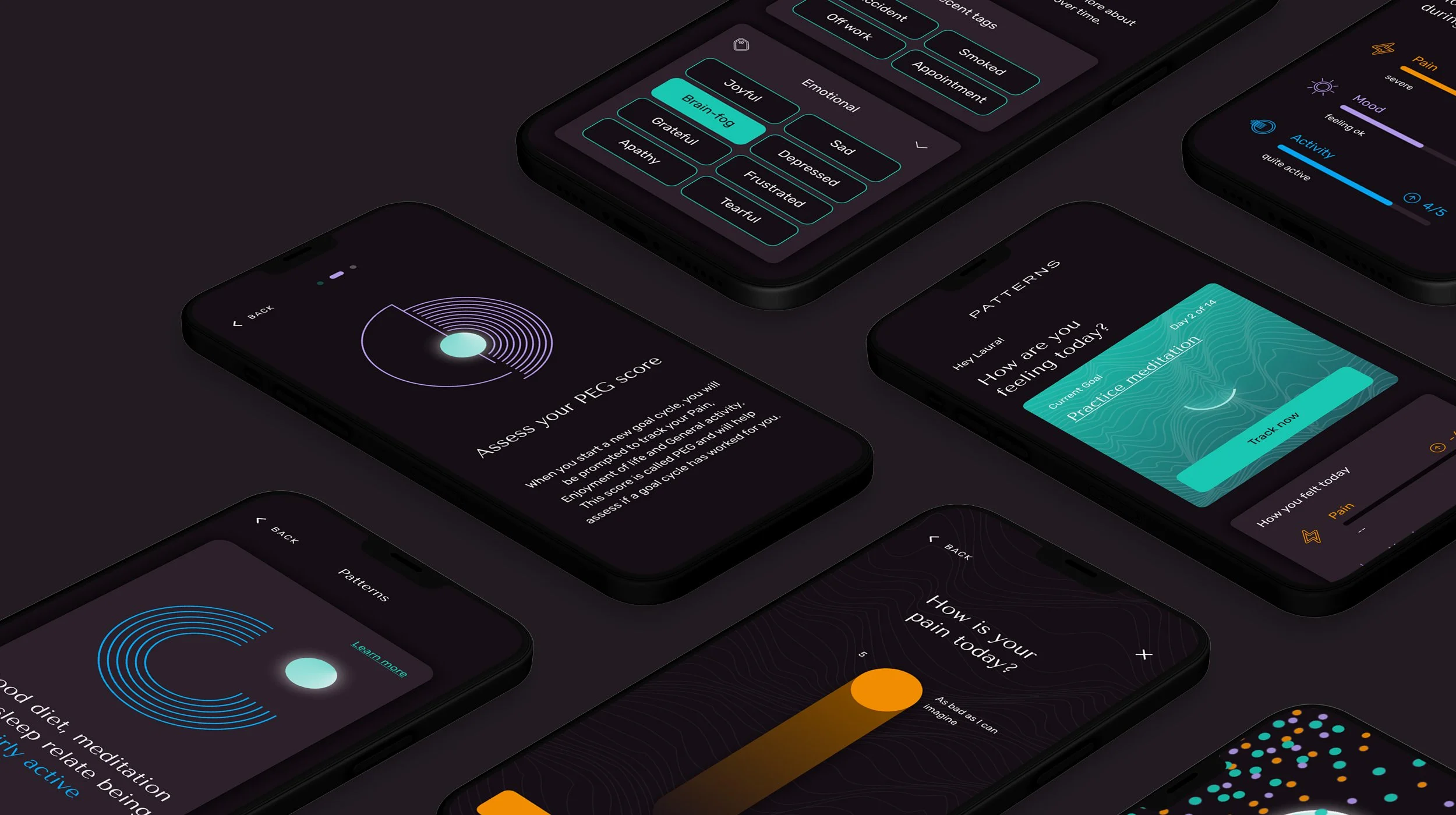
Interactive charts helped users identify trends in their pain, providing insights to inform their behaviours and decisions.Empathy-Driven UX:
We crafted a calm, supportive design that was easy to navigate and reassuring, supporting users even during periods of intense pain.User Feedback Integration:
We regularly update the app based on user feedback. For instance, some users requested the option to add short-term time frames to their goals to make them more manageable and achievable.
Key Features
Goal Setting and Tracking:
Users can set and monitor goals related to pain management, with easy-to-use progress tracking.Pain, Mood, and Activity Logging:
The app allows users to log pain, mood, and activity, providing valuable data for self-management.Pattern Visualisation: Interactive charts reveal trends in the user's pain experience, helping them understand the impact of their actions.
Machine Learning Algorithm: A tailored algorithm personalises content and insights based on users’ data.
Outcomes and Impact
Patterns has delivered significant results through a 4-month pilot study involving 49 participants:
Pain Awareness and Management:
100% of users reported understanding their pain enablers and relievers post-pilot, up from 58% pre-pilot.Improved Quality of Life:
The number of users reporting pain interference in daily life decreased from 33% pre-pilot to 58% post-pilot.Increased Goal Motivation:
Users felt more motivated to achieve their goals, reporting that the app was a positive tool for reflecting on pain.