
Performance Management: Reviews
Creating a Seamless Review Experience in BrightHR
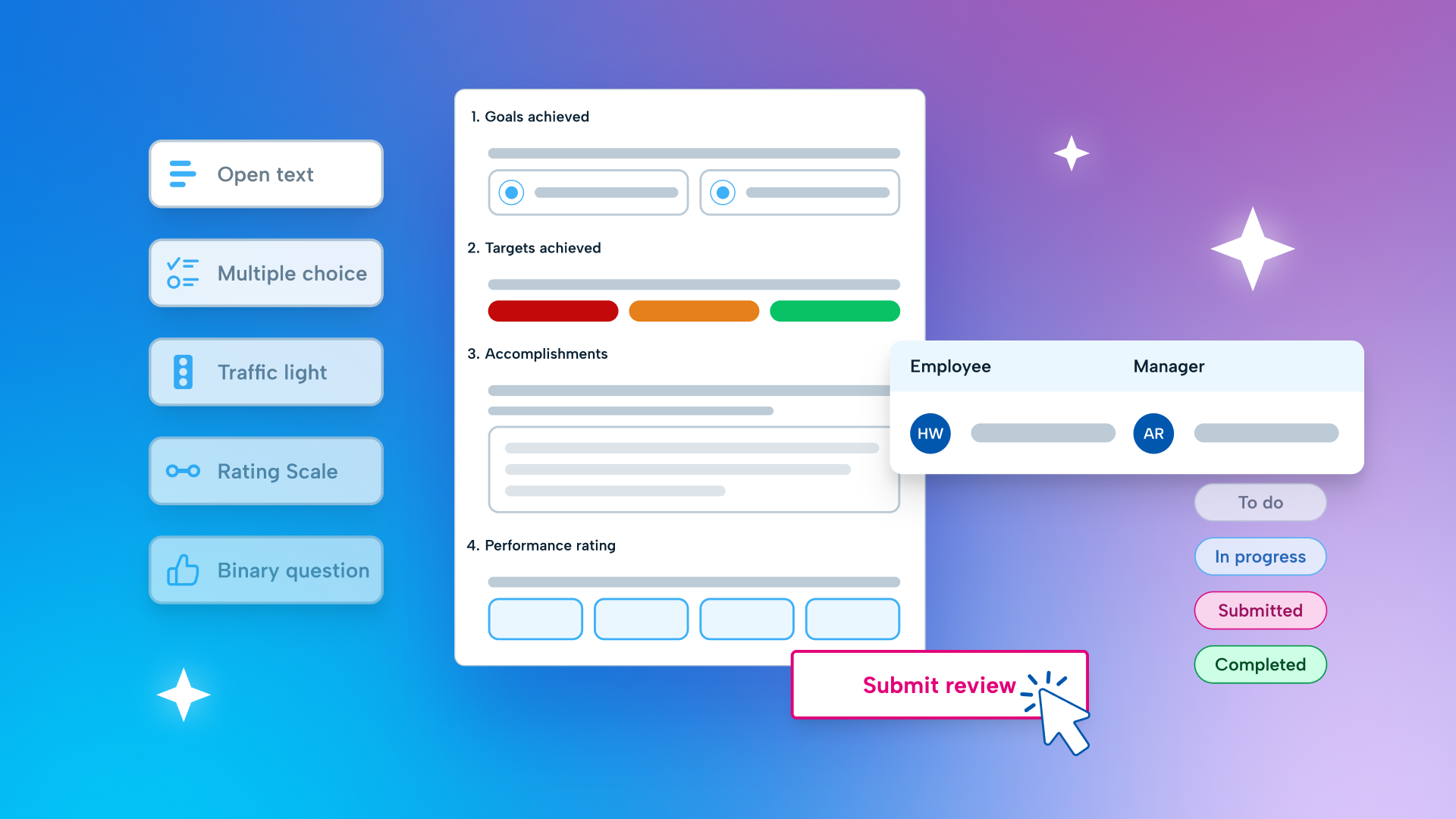
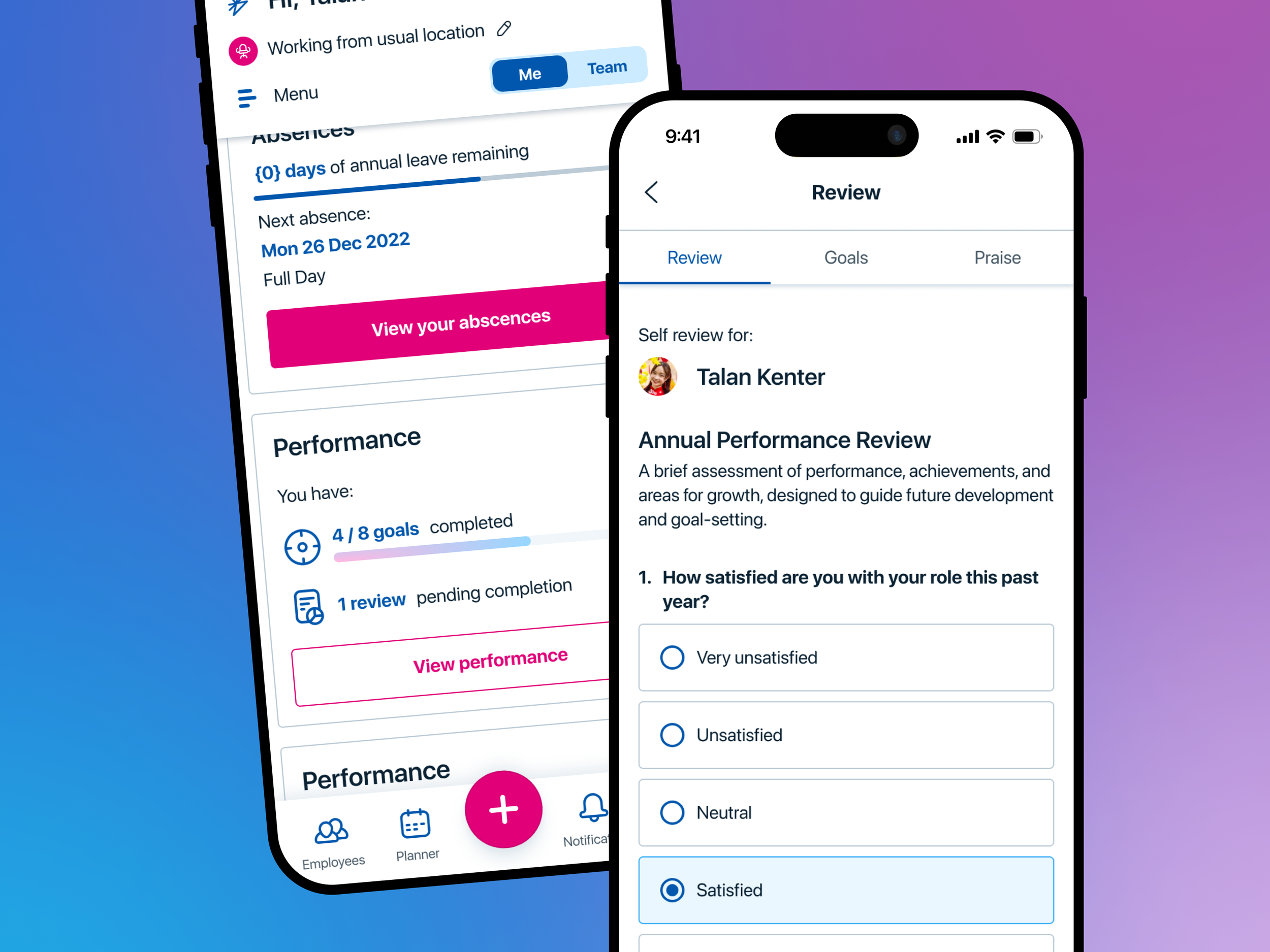
I led the design of the Performance Reviews feature – an extension of our performance management suite. Users had been asking for the ability to manage appraisals and 1-to-1s within the platform. My goal was to design a tool that felt fully integrated into existing workflows, while being simple enough for both HR and line managers to adopt easily.
Challenge
The key challenge was designing a performance review tool that worked for managers, and employees without adding complexity. Existing processes were often manual, inconsistent, and time-consuming. We needed to create a solution that was flexible enough to suit different team styles, yet simple and structured enough to drive adoption, all while fitting seamlessly into the existing BrightHR platform.
Understanding the user
I began with a focused research phase, combining in-app feedback (via Pendo), user surveys, and interviews.
15 interviews with HR managers, team leads, and employees revealed fragmented processes involving spreadsheets, emails, and separate documents.
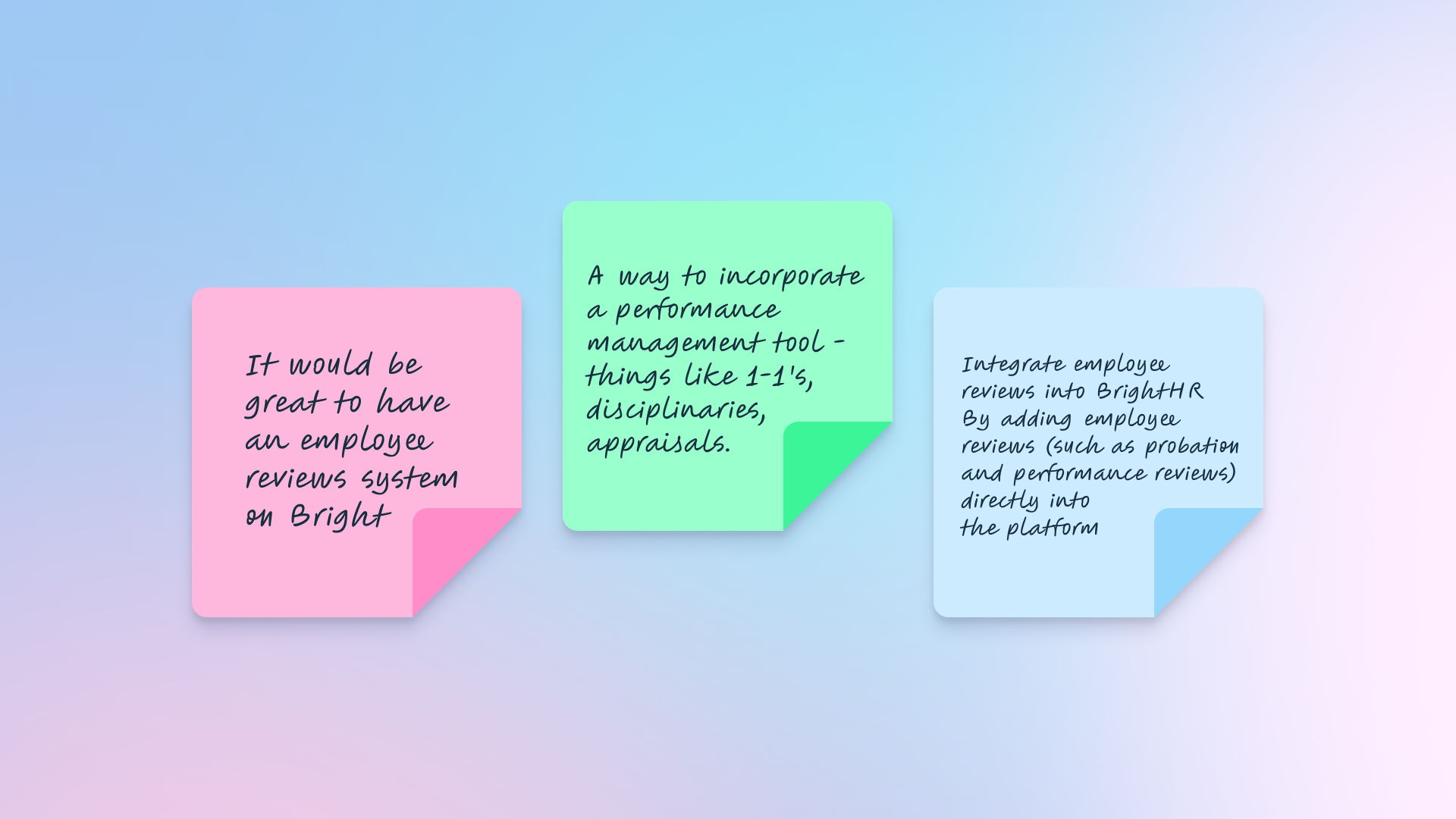
A survey of 120+ users showed that nearly half were using external tools, and over two-thirds believed performance reviews should be built into BrightHR.
“Appraisals” appeared among the top five most requested additions to employee profiles.
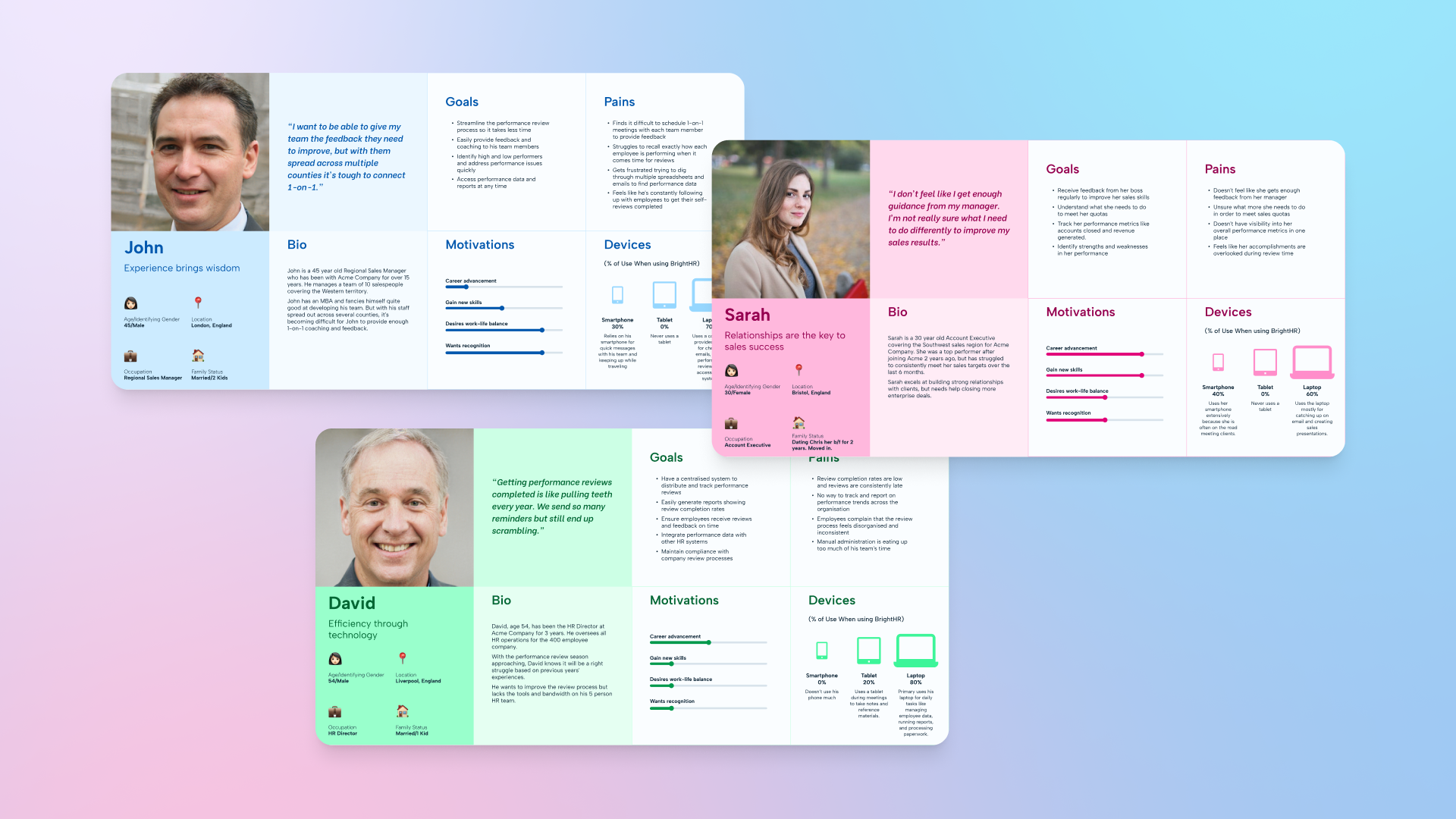
These insights helped shape clear personas and user needs. Managers wanted to reduce admin; employees wanted more structure and visibility; HR needed central oversight.
Defining the Focus
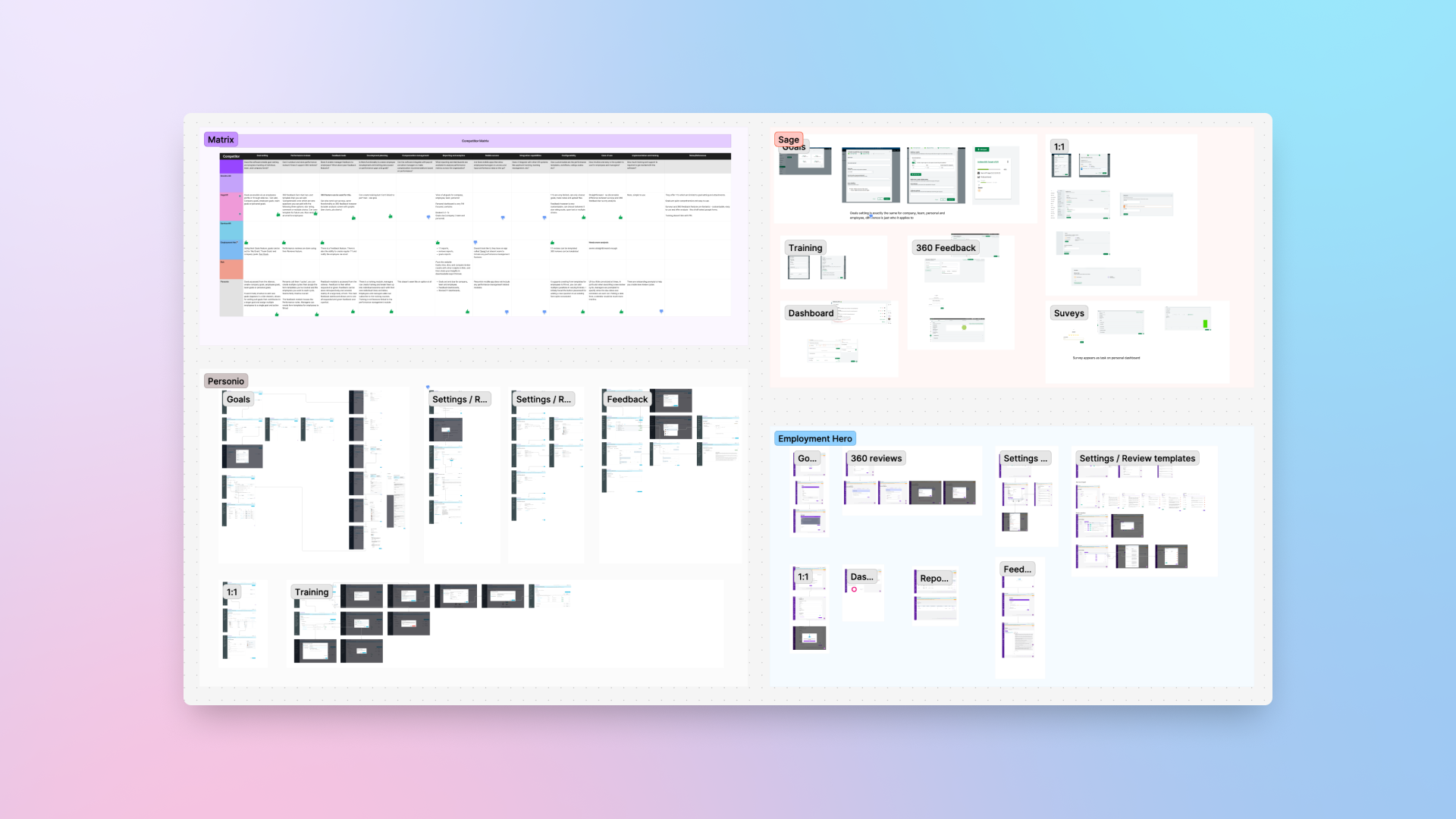
To define the scope, I carried out a competitive review of five HR platforms including Lattice and Personio. I focused on feature sets, interface patterns, and gaps. A key opportunity emerged: providing a lightweight but flexible review process, especially for small to mid-sized teams.
I also collaborated with product and engineering to ensure the MVP aligned with business goals and existing data structures. The initial focus was on enabling users to schedule, conduct, and store reviews with shared and private notes, using customisable templates.
Design and Testing
Using co-design workshops with users and internal stakeholders, I developed early wireframes and interactive Figma prototypes.
Testing with 12 users surfaced key improvements, such as simplifying the template builder and adding a manager dashboard for tracking review progress.
Employees requested private note-taking, which we prioritised for a second phase.
Regular design reviews with developers ensured feasibility and alignment with release timelines.
Impact
Within three months of launch:
25% of active users completed at least one full review cycle.
35% returned to run additional reviews or view history.
Account managers reported that the new feature improved sales conversations and client retention.